






The Rise of Predictive Marketing: How AI Knows What Customers Want
In today’s fast-moving digital world, marketers don’t just react to trends; they anticipate them. Predictive marketing, powered by artificial intelligence (AI), is transforming how brands connect with customers by analyzing behavior, preferences, and data patterns to forecast what people are likely to buy next. Instead of guessing, businesses can now create smarter campaigns, deliver personalized experiences, and significantly increase conversions.
Predictive marketing uses machine learning algorithms to analyze large datasets. —from website visits to purchase history—to identify patterns and forecast future customer behavior. This is why many companies partner with a professional SEO company that understands how to combine AI insights with smart content strategies. With predictive tools, brands can create campaigns that reach customers at exactly the right moment with the right message.
What Is Predictive Marketing?
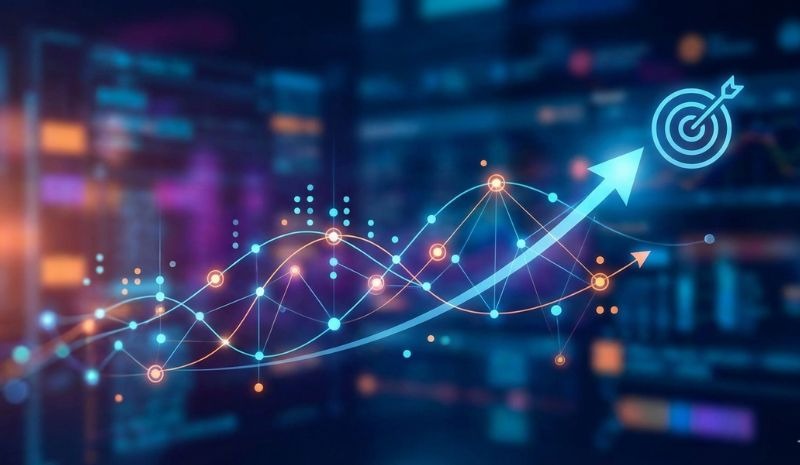
Predictive marketing uses AI and analytics to study customer interactions and predict outcomes like purchase intent, churn risk, or preferred products. It analyzes data from CRM systems, social media, website activity, and customer feedback to build highly accurate forecasts.
Think of how streaming platforms recommend shows or e-commerce stores suggest products you didn’t know you needed; that’s predictive marketing in action. By anticipating needs, brands move from reactive marketing to proactive growth strategies.
Why Predictive Marketing Is Growing So Fast
Let’s look at a few key points to understand why predictive marketing is growing so rapidly:
1. Hyper-Personalization at Scale
AI enables brands to tailor offers and content to individual users, improving engagement and loyalty. Personalized marketing can increase ROI by 10–30%, proving the value of AI-driven insights.
2. Smarter Decision-Making
Predictive analytics helps marketers allocate budgets efficiently and identify high-value audiences faster, improving ROI and reducing wasted spend.
3. Higher Conversion Rates
Predictive intelligence can increase conversion rates by over 22% by delivering relevant recommendations at the right time.
This is why businesses often work with a trusted online marketing firm in Noida to integrate predictive analytics into SEO, PPC, and social campaigns effectively.
How AI Knows What Customers Want
AI studies customer behavior across multiple channels and identifies patterns humans often miss. Here’s how it works:
✔ Data Collection
AI gathers data from search queries, clicks, purchases, social engagement, and demographics.
✔ Pattern Recognition
Machine learning identifies trends, such as when customers buy, what they browse, and how they respond to ads.
✔ Predictive Modeling
Algorithms forecast future behavior, such as the likelihood to buy or unsubscribe.
✔ Smart Automation
Campaigns automatically adjust messaging, timing, and targeting based on predictions.
For example, predictive models can identify high-value leads, improve segmentation accuracy, and increase email marketing ROI significantly.
Benefits of Predictive Marketing for Businesses
🔹 Better Customer Experience
Customers receive personalized content that matches their interests, making interactions more relevant.
🔹 Higher ROI
Predictive marketing helps focus resources on high-performing strategies, reducing wasted ad spend.
🔹 Faster Growth
Brands can spot trends early, launch campaigns ahead of competitors, and capture demand faster.
🔹 Improved Lead Quality
Predictive scoring identifies prospects most likely to convert, saving time and effort for sales teams.
Real-World Examples
- E-commerce: Suggesting related products based on browsing history.
- Email Marketing: Sending offers at optimal times.
- Content Marketing: Recommending blog topics customers are searching for.
- Advertising: AI targeting high-conversion audiences automatically.
These strategies help businesses create seamless customer journeys that feel intuitive and personal.
Challenges to Watch Out For
Predictive marketing is powerful, but not without risks.
- Data Privacy Concerns: Companies must protect customer information.
- Algorithm Bias: AI models can inherit bias from data if not monitored.
- Over-Reliance on Automation: Human creativity is still essential.
- High Initial Investment: Tools and expertise require resources.
Balancing AI insights with human strategy is the key to success.
How Digi Global Tech Helps Businesses Use Predictive Marketing
At Digi Global Tech, we combine AI-powered insights with creative strategy to help businesses grow smarter. Our team integrates predictive analytics into SEO, PPC, content marketing, and social campaigns to ensure your brand reaches customers before competitors do.
From lead scoring to personalized content and campaign automation, we help businesses unlock real growth using predictive marketing.
Final Thoughts
Predictive marketing is no longer optional; it’s the future of digital marketing. Brands that leverage AI insights can anticipate customer needs, improve conversions, and build stronger relationships. By combining predictive analytics with expert strategy, businesses can stay ahead in a competitive market.
If you want to turn customer data into real business growth, it’s time to embrace predictive marketing and partner with experts who know how to make AI work for you.
FAQ
1. What is predictive marketing, and how does it work?
Predictive marketing uses AI and data analytics to study customer behavior, past interactions, and trends to forecast what customers are likely to do next. This helps businesses deliver personalized offers, improve targeting, and increase conversions.
2. Can small businesses benefit from predictive marketing?
Yes. With modern AI tools and automation platforms, even small businesses can use predictive marketing to understand customer needs, optimize campaigns, and compete with larger brands without huge budgets.
3. What data is needed for effective predictive marketing?
Businesses typically use website analytics, CRM data, purchase history, email engagement, and social media insights. The more clean and accurate data you have, the better AI can predict customer behavior and improve marketing results.
